
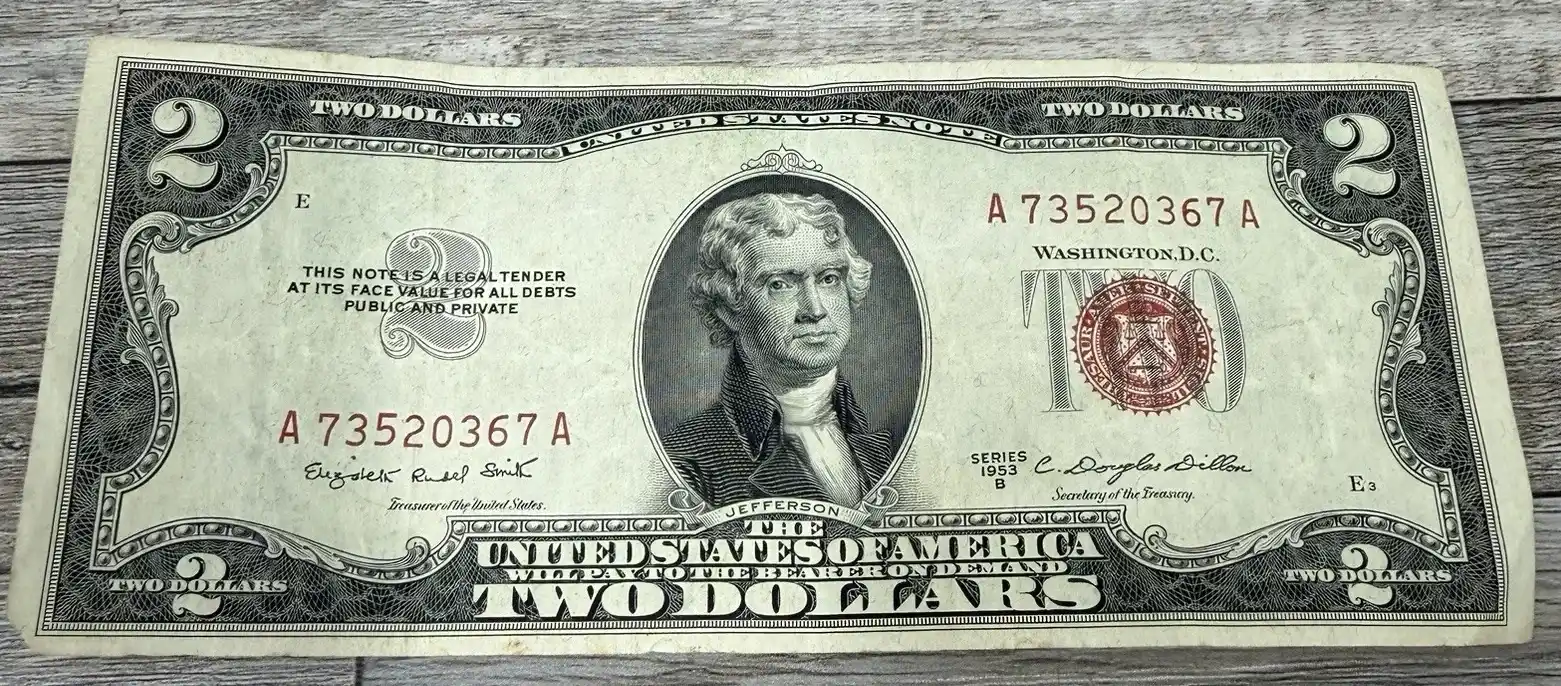
Collectors look for specific 1953 2 dollar bill details. Ordinary bill items have $4-$6 value. High grade banknotes sell for $25-$50. Record auction sales reach $500-$1000. Market experts track these price changes. Every detail matters for profit. Money gains depend on rarity.
| Condition Grade | Market Value Range |
| Fair | $3-$5 |
| Very Good | $6-$12 |
| Fine | $13-$19 |
| About Uncirculated | $20-$45 |
| Gem Uncirculated | $60-$150+ |
Price Influencers
- Seal color differences
- Banknote paper quality
- Serial number digits
- Printing error presence
- Historical series codes
Seal Color Impact
Banknote seal color acts as a primary price indicator. Collectors pay more for rare seals. Standard notes have lower price points.
Red Seal Notes
Red seal items represent standard production. Market value stays between $4 and $15. Rare star note items jump in value to $100-$300. Demand remains high for these specific pieces.
Serial Number Profit Potential
Unique serial number patterns boost banknote worth. Buyers seek these specific combinations. Profit increases reach 200% for rare finds.
- Radar serial numbers: $50-$200 value
- Low serial numbers (under 1000): $100-$500 worth
- Solid digit serial numbers: $1000-$2000 record price
Printing Errors
Manufacturing mistakes create huge value gaps. Collectors pay premiums for visual oddities.
Double Die Errors
Double die marks show duplicate images. These errors remain popular. Auction sales often pass $500-$800. Quality certification adds extra value.
Off Center Printing
Paper alignment issues cause off center prints. Value depends on design cut percentage.
- 10% shift: $50-$100 price tag
- 25% shift: $150-$300 worth
- 50% shift: $300-$600 market price
Printing Fold
Paper folding before ink application leaves blank spaces. Professionals pay $200-$450 for these items.
| Attribute | Specification Details |
| Currency | $2 note |
| Paper Material | Cotton and linen mix |
| Note Weight | 1 gram |
| Standard Size | 156 mm x 66 mm |
Storage Risk Factors
Incorrect storage causes massive price drops. Poor handling ruins profit potential.
- Direct sunlight exposure: 40% value loss
- Plastic holder chemicals: 60% damage risk
- Sharp folds: 80% price reduction
- Humidity levels: 30% material decay
Profit Increase Strategies
- Professional note grading services add 30-50% extra value.
- Star note collection yields 15-20% annual profit growth.
- Acid-free album usage prevents fiber decay.
- Original packaging preservation keeps note mint quality.
- Auction tracking informs smart buy decisions.
Market Trends 2026
| Observation Time | Price Growth Rate |
| Quarter One | +2% |
| Quarter Two | +5% |
| Quarter Three | +4% |
| Quarter Four | +6% |
Expert Tips for Traders
Successful traders watch auction final prices. High auction bids reveal true collector interest. Low bids indicate market saturation. Avoid buying items from unknown sources. Verification protects investment money. Shipping insurance costs eat 10% of profit margins. Always calculate net gain after fees. Signature combinations match specific series dates. Wrong signature match means fake or reprint status. Zero collection value follows fake items. Buy only certified notes for long term profit.
Grading Standard Details
Grade standards define banknote price.
Gem Uncirculated
Perfect paper crispness marks this grade. No fold signs appear here. High demand drives prices up.
Very Good
Small fold signs show here. Paper looks used. Lower price points attract entry level buyers.
Fair
Heavy fold marks cover these notes. Tears often exist. Low investment appeal remains here.
Serial Number Prefixes
Prefix letters provide clues for rarity.
- A series: $4-$10 worth
- B series: $5-$12 price tag
- Star note prefix: $80-$400 value
Paper Quality Maintenance
Proper climate control saves paper life.
- Keep temperature stable.
- Use dark storage spots.
- Avoid frequent handling.
- Keep hands clean before touch.
- Use soft cotton gloves for note inspection.
Buying Guide for Investors
Investors start small. Buy cheap, sell high. Check note edges for wear. Look at ink saturation. Sharp ink colors mean higher worth. Faded ink suggests sun damage.
- Check margins: Centered designs sell better.
- Look for stains: Stains kill banknote appeal.
- Watch paper texture: Smooth paper feels better to touch.
- Examine seal crispness: Blurred seals lower price levels.
Selling Tips
Market sellers get more money with photos. High resolution pictures show note grade. Describe errors clearly. Mention certifications in listings. Set prices based on sold item data. Compare listings for competitive advantage.
Historical Pricing Facts
1953 notes saw 5% growth last year. 2026 data shows rising demand for star notes. Buyers prefer high quality over quantity.
- Low grade notes: 1% annual growth.
- High grade notes: 7% annual growth.
- Error notes: 10% annual growth.
Investment Risks
Market crashes affect all collectibles. Diversify note portfolios. Never put all money into one note type. Keep liquid assets ready. Inflation impacts real value. Track gold prices as a benchmark.
Common Collector Myths
Some people think all 1953 bills bring riches. This myth causes wrong price expectations. Only rare types bring high returns. Most 1953 $2 items stay affordable. Study data to avoid losses. Rely on facts, not lucky guesses.
Rare Series Identification
Series codes define banknote rarity.
- 1953 A series: High supply exists.
- 1953 B series: Moderate supply exists.
- 1953 C series: Rare supply exists.
Rare series notes trade for $20-$100. Always check series codes before sale. Use online databases for quick lookups. Match series letter with signature dates.
Online Marketplaces
eBay provides massive sales data. Heritage Auctions shows record prices. Collectors find rare pieces at local coin shows. Research prices across three sites. Compare listing styles. Pick reputable sellers. Ask for extra photos before payment.
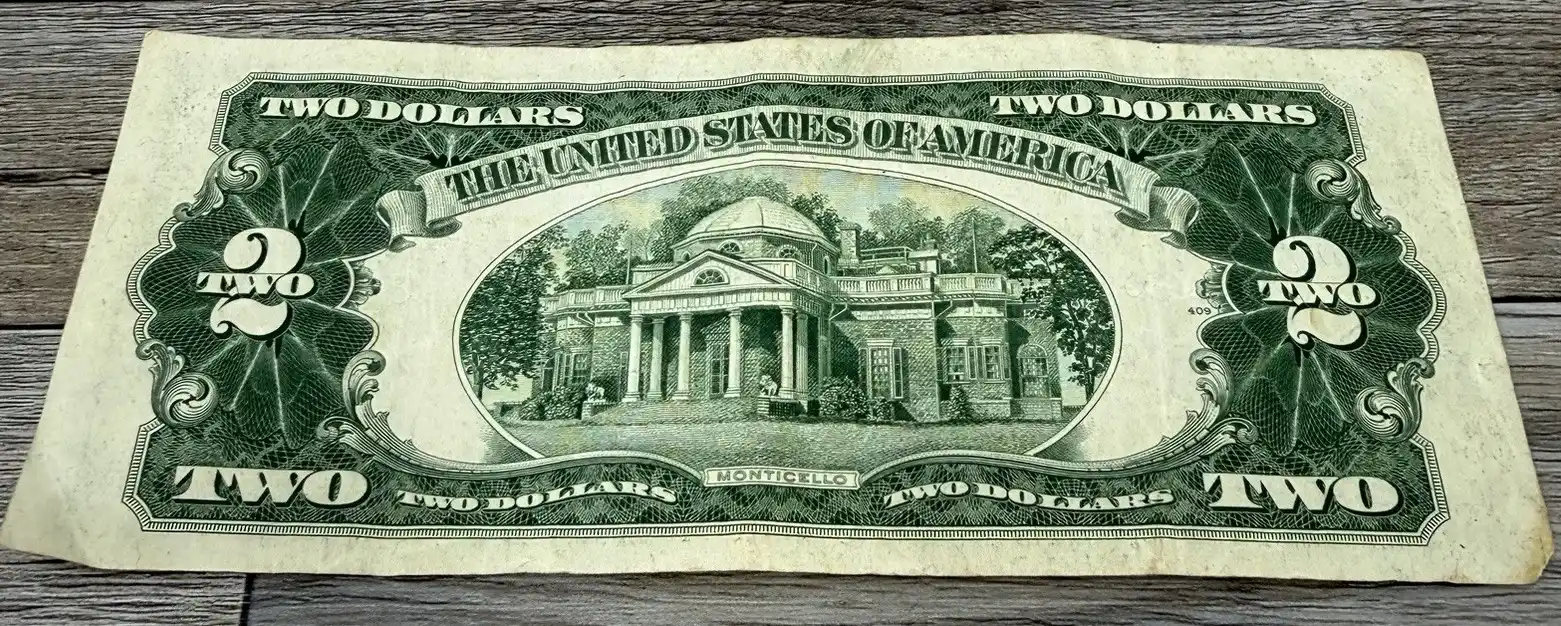
Pricing Factors
- Signatures: Treasury secretary signatures affect price.
- Condition: Grade quality dictates 90% of value.
- Rarity: Low print runs create high value.
- Demand: Collector interest shifts yearly.
Final Market Insights
1953 banknote investment remains stable. Market volume grows steadily. Smart collectors track star notes. Errors create the biggest gains. Professional certification protects investment capital. Proper storage ensures asset health.
Collector Mistakes
Amateur collectors make simple errors.
- Handling notes with bare skin: Oils damage paper.
- Cleaning bills: This destroys value.
- Ignoring grade reports: This leads to bad buys.
- Buying fakes: Verification saves money.
- Paying too much: Research prevents overpayment.
Value Preservation
Preservation methods keep money safe.
- High quality storage: $10-$20 cost.
- Professional grading: $30-$50 cost.
- Safe vault storage: $100+ cost.
- Investment return potential: 200%+ gain.
Expert traders balance storage cost with bill value. Cheap notes do not need expensive vaults. Rare notes need maximum protection. Use common sense for asset management.
Final Step Checklist
- Identify seal color.
- Check serial number patterns.
- Look for printing errors.
- Verify series year.
- Grade the note condition.
- Search current auction prices.
- Calculate potential net profit.
- Buy or sell based on data.
Follow these steps for best results. Data drives profit in numismatics. Hard facts beat emotional guesses. Happy trading in 2026